We Were Always Moon People
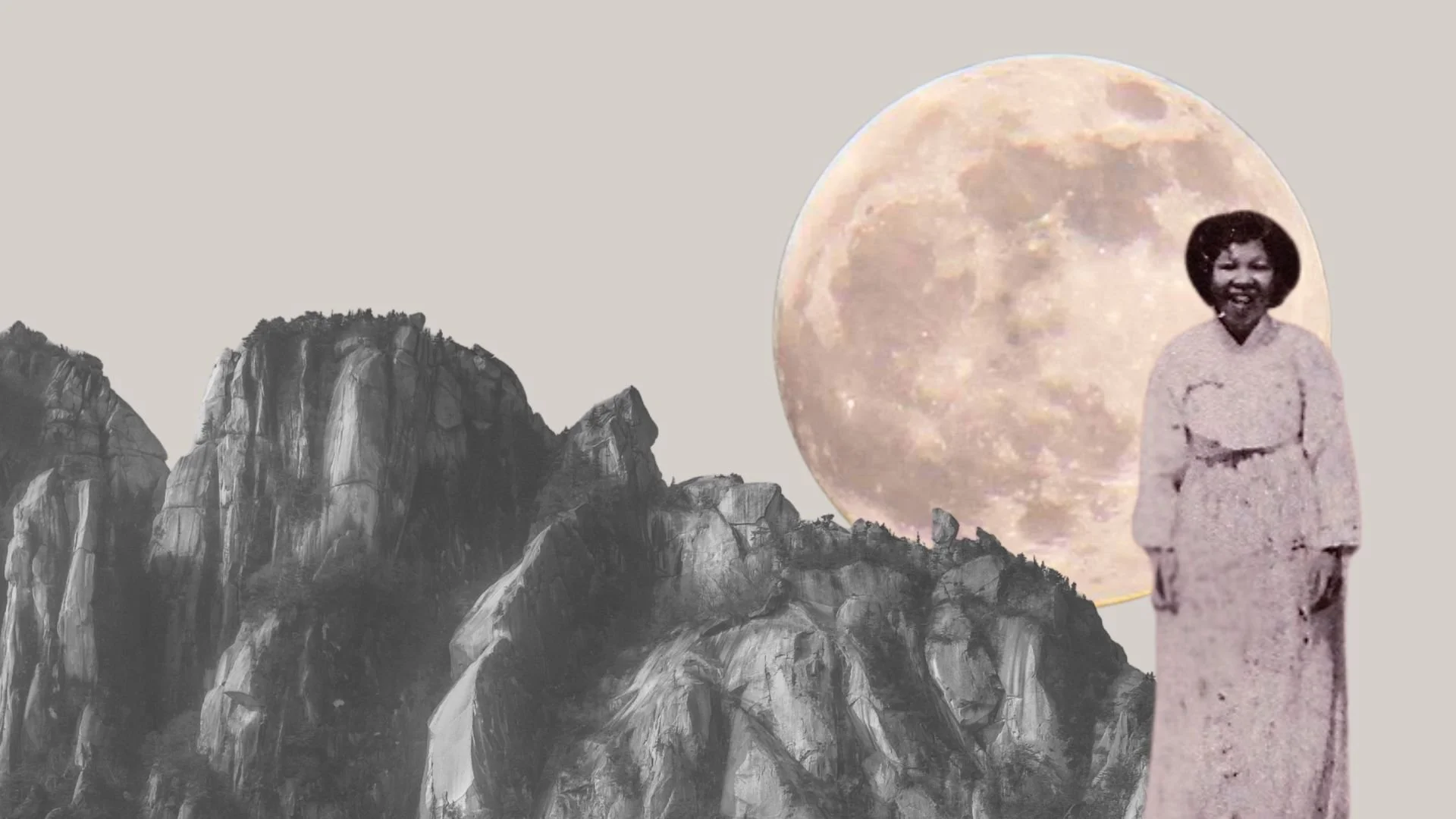
Photo collage of my halmoni, Sorak-san photo credit to 정규송
Sometimes stories come from my mother unprompted. Stream of consciousness style.
She once told me that every full moon, halmoni (grandma) would put on a white hanbok, fill a bowl with fresh water and set it out in the kitchen near the pots and food storage.
At night, she would hear halmoni whispering her prayers and wishes into the moon’s reflection—for my haraboji (grandpa), for her children, for those she loved.
She finished the story very matter-of-factly, “Yeah, she was into that stuff.”
That stuff.
Those words clung to me.
As if this was something that didn’t belong to us anymore.
For generations, the full moon marked the rhythms of Korean life. Families welcomed it with dalmaji (during Lunar New Year), offering prayers for health, abundance, and blessings. Across Korean stories and poetry, the moon serves as a symbol of longing, a reminder that wherever we are, we stand beneath the same sky.
The moon was and is a witness.
A place to send our hopes and dreams, and keep us connected to ancestors.
In one way, I felt a sweet affirmation that my love for the moon was always a part of me.
But also, sad. Sad that this traditional practice was almost forgotten.
Migration, immigration, conversion, assimilation.
We were always moon people, and we still are.
Happy Full Moon 🌕
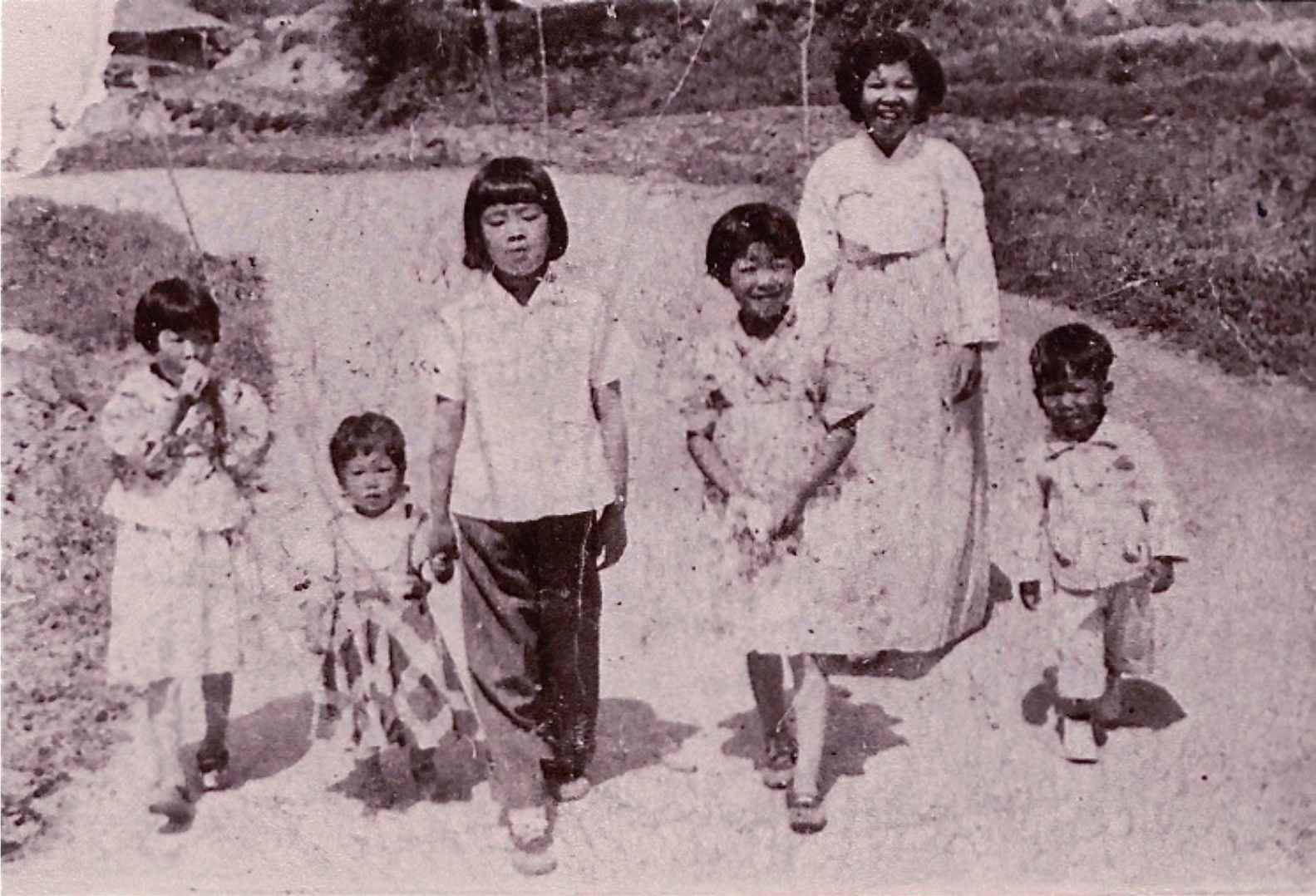
Photo featuring my halmoni and 5 of her children (including my mother) in Gyonggi-do 1957
